Tracing Practice Worksheets for Kids: A Powerful Tool for Early Literacy Development
In today’s fast-paced world, early childhood education is more important than ever. Parents, educators, and caregivers are constantly seeking tools that not only engage young learners but also foster foundational skills in a fun and effective way. One such resource gaining traction is Tracing Practice Worksheets for Kids. This 44-page printable resource is designed to help children develop fine motor skills and improve handwriting through structured tracing activities. But beyond its immediate benefits, it aligns with broader trends in early learning, making it an essential tool for both home and classroom settings.
The Role of Tracing in Early Literacy Development
Tracing exercises are more than just a simple activity—they are a critical component of early literacy development. By engaging in tracing lines, letters, and shapes, children build the muscle memory needed for writing. This process supports the development of fine motor skills, which are crucial for tasks like holding a pencil, cutting with scissors, and even tying shoelaces.
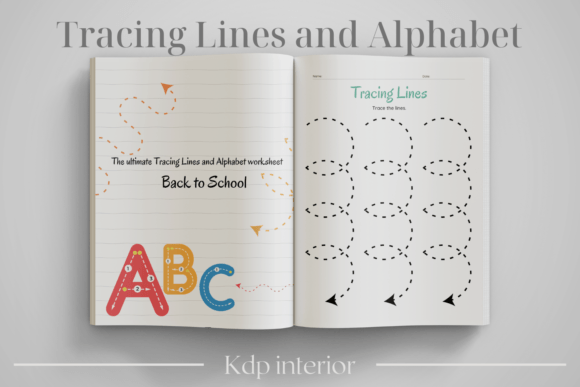
Tracing Practice Worksheets for Kids offers a comprehensive approach by including activities such as tracing the entire alphabet, lines, and various shapes. These exercises are carefully structured to progress from simple to complex, allowing children to build confidence and competence over time. As they trace each letter, they begin to understand the structure and formation of written language, laying the groundwork for future reading and writing success.
Why Tracing Practice Worksheets for Kids Stand Out
What sets Tracing Practice Worksheets for Kids apart is its focus on both skill development and engagement. Unlike generic worksheets, this resource is designed with kid-friendly designs that capture the attention of young learners. The use of vibrant colors, playful illustrations, and interactive elements makes the learning experience enjoyable rather than tedious.
- 43 Pages of Fun and Educational Content: Each page is crafted to provide a balance between learning and play, ensuring that children stay motivated throughout their practice sessions.
- Activities Include Tracing Lines and the Entire Alphabet A-Z: This variety ensures that children develop a well-rounded understanding of letter formation and spatial awareness.
- Helps Improve Fine Motor Skills and Handwriting: Through consistent practice, children strengthen the small muscles in their hands, which is essential for writing fluency.
- Perfect for Back-to-School Preparation: With school starting soon, these worksheets offer a valuable resource for parents and teachers looking to support children’s readiness for academic challenges.
- High-Quality Print-Ready PDF: The digital format allows for easy access and printing, making it a convenient tool for both home and classroom use.
Aligning with Modern Learning Trends
The growing emphasis on early childhood education has led to a shift in how we approach learning. There is a clear trend toward interactive and personalized learning experiences, where children are encouraged to explore, create, and learn at their own pace. Tracing Practice Worksheets for Kids fits perfectly into this paradigm by offering a structured yet flexible resource that adapts to individual needs.
Moreover, the rise of digital literacy has changed how families and educators access educational materials. The availability of high-quality print-ready PDFs means that parents can easily download and print worksheets tailored to their child’s developmental stage. This accessibility aligns with the increasing demand for on-demand educational resources that can be used anytime, anywhere.
Meeting the Needs of Today’s Parents and Educators
Modern parents and educators are looking for solutions that are both effective and efficient. They want tools that save time while delivering measurable results. Tracing Practice Worksheets for Kids meets this need by providing a ready-to-use resource that requires minimal setup. Whether used as a supplement to classroom instruction or as a standalone activity, these worksheets offer a practical solution for reinforcing key skills.
Additionally, the resource caters to the evolving expectations of young learners. Children today are exposed to a wide range of stimuli and are more likely to lose interest in traditional methods that lack interactivity. Tracing Practice Worksheets for Kids addresses this by incorporating engaging visuals and varied activities that keep children motivated and focused.
Practical Applications and Real-World Impact
Consider a scenario where a parent is preparing their child for kindergarten. They may struggle to find age-appropriate materials that support both fine motor development and early literacy. Tracing Practice Worksheets for Kids provides a solution by offering a structured yet flexible set of activities that can be used daily. Over time, the child develops greater confidence in their ability to write, leading to improved performance in school and a stronger foundation for future learning.
Similarly, educators can integrate these worksheets into their lesson plans as part of a broader curriculum. For example, a teacher might use tracing activities to reinforce letter recognition during a phonics unit. By combining tracing with other instructional strategies, educators can create a more holistic learning experience that supports multiple areas of development.
The Future of Educational Tools for Young Learners
As technology continues to shape the educational landscape, there is a growing need for resources that blend traditional learning methods with modern design principles. Tracing Practice Worksheets for Kids exemplifies this trend by offering a print-ready digital product that is both visually appealing and pedagogically sound. It represents a bridge between the past and the future of early childhood education, where quality and accessibility go hand in hand.
Looking ahead, we can expect to see more resources like Tracing Practice Worksheets for Kids that prioritize child-centered learning and personalized development. These tools will continue to evolve, incorporating new technologies and insights to better meet the needs of young learners and their caregivers.
Conclusion
Tracing Practice Worksheets for Kids is more than just a collection of tracing exercises—it is a comprehensive resource that supports early literacy development, fine motor skills, and overall learning readiness. Its alignment with current educational trends and its user-friendly design make it an invaluable tool for parents, educators, and caregivers. As we continue to prioritize quality and effectiveness in early childhood education, resources like this will play an increasingly important role in shaping the future of learning.